Scientist. Mother. Healer. Bridging the Medical and the Mystical.
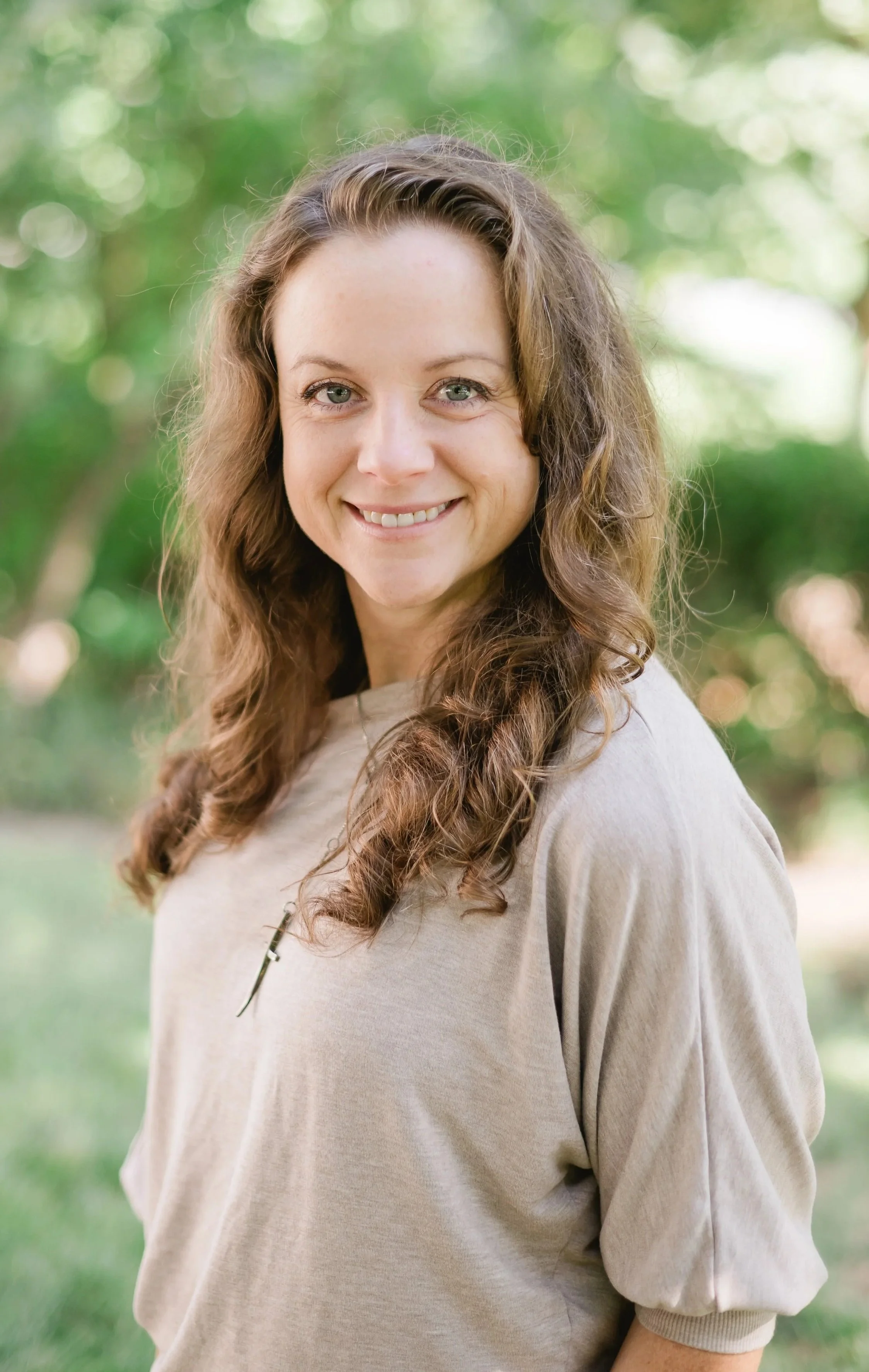
I've spent much of my life exploring what it truly means to be healthy—and discovering that even with education, determination, and access to extraordinary healthcare resources, finding answers isn't always easy.
My journey has taken me from exercise physiology and conventional medicine to clinical hypnotherapy, energetic healing, and spiritual exploration. But perhaps my greatest education came from navigating my own chronic health challenges.
Today, I bring together decades of professional knowledge, personal experience, and complementary healing practices to help women cultivate greater health and well-being.
When Everything I Knew About Health Wasn't Enough
My professional foundation began in Exercise Science. After earning my Bachelor of Science in Exercise Science from the University of Massachusetts Amherst, I built a career in exercise physiology, fitness leadership, wellness education, and program development.
I understood the importance of movement, nutrition, physical conditioning, and healthy lifestyle habits. I had dedicated my professional life to helping others improve their health. Yet in my mid-twenties, my health challenges became severe and that would eventually change the direction of my life.
Despite my knowledge and commitment to wellness, I struggled with persistent pain, digestive dysfunction, hormonal imbalances, allergies, and other symptoms that increasingly affected my quality of life.
I was doing so many of the things I had been taught were necessary for good health. So why wasn't I healthy? That question became the beginning of a much longer journey.
When Answers Were Harder to Find Than Resources
I didn't turn to complementary healing because I lacked access to conventional medicine. Quite the opposite. I had the financial resources, determination, and opportunity to pursue an extraordinary range of healthcare options. And I pursued them extensively.
Over the years, I consulted primary care physicians, gastroenterologists, medical specialists, chiropractors, massage therapists, acupuncturists, Chinese herbalists, applied kinesiologists, and numerous other conventional and complementary practitioners. I underwent extensive laboratory testing, diagnostic evaluations, endoscopies, colonoscopies, and other procedures in search of explanations for persistent symptoms. And again and again, the results were described as normal.
Despite significant digestive problems, pain, and dysfunction, many evaluations failed to provide the answers I needed. I knew what I was experiencing. I lived with it every day. Yet identifying the underlying contributors—and finding meaningful, lasting relief—remained incredibly difficult.
My scientific background helped me understand the value of conventional medicine and diagnostic testing. But my experiences also encouraged me to investigate other dimensions of health, including nutrition, biochemical processes, nervous system function, structural influences, and complementary healing practices. Some approaches helped. Others didn't. Some provided temporary improvements, while others led me to entirely new questions.
I had access to nearly everything, but I still struggled to find answers. And I began to recognize something that would eventually become central to my mission: If finding answers was this challenging for someone with my education, professional experience, and resources, how much harder might it be for women without them?
Is It All in My Head?
After years of unexplained symptoms and inconclusive testing, I began asking myself a question that I suspect many women with chronic illness have asked: What if it really is all in my head?
Maybe it was stress. Maybe I needed to think differently. Maybe my emotional experiences were affecting my physical health more than I realized.
We all experience challenges that shape us—physical trauma, emotional wounds, chronic stress, and the accumulated pressures of everyday life. I began wondering how these experiences might influence the way our minds and bodies function. That curiosity led me to hypnotherapy.
As an Exercise Physiologist, I understood that the brain and nervous system influence nearly every aspect of physical function. But through studying hypnotherapy, I began exploring the relationships between conscious thought, subconscious patterns, emotional responses, and physical symptoms in a much deeper way.
What I discovered was profoundly meaningful. Yes, my thoughts, beliefs, and responses to stress could influence how I felt physically. But that didn't mean my symptoms were imaginary, or that I had somehow created my illness.
The mind-body connection wasn't a reason to dismiss my physical symptoms. It was another important dimension of my health worth exploring. Possibly even more valuable were the personal insights I gained through exploring my subconscious mind. Hypnotherapy opened an entirely new avenue for understanding my experiences, beliefs, emotional patterns, and the ways I responded to life's challenges. It became another important piece of my evolving approach to healing.


The Power of Small Improvements
My healing didn't happen overnight. There wasn't one practitioner, treatment, supplement, or miraculous discovery that suddenly changed everything. It began with small improvements.
One change helped a little. Another built upon it. Sometimes I would discover something that made a more noticeable difference, leading me to reconsider what I thought I understood.
I explored nutrition, digestive support, specialized laboratory testing, lifestyle changes, structural therapies, and energetic balancing practices. Along the way, I also experienced what I can only describe as divine guidance—intuitive insights, meaningful connections, and experiences that seemed to lead me toward new possibilities.
Some of the most significant improvements came much later in my journey, after years of experimentation and learning.I began recognizing that the approaches I tried first weren't necessarily the ones that ultimately made the greatest difference.
My progress came from continuing to learn, paying attention to my responses, and refining my approach as new understanding emerged.
Over time, those improvements began building upon one another. And as my health improved, something else began to change. I started trusting myself again - one step at a time.
Rediscovering the Power Within
One of the most transformative parts of my journey wasn't a treatment I received or a supplement I took.
It was a shift in what I believed was possible.
After years of searching for answers, I began challenging the expectations I had developed about my health.
What if I truly believed I could improve?
What if I stopped focusing exclusively on everything that was wrong and began imagining what greater health might feel like?
What if I trusted that I could continue finding answers, even when I didn't yet know what those answers were?
I began experimenting with positive expectation, visualization, prayer, and intentional thought.
I became increasingly aware of how my internal dialogue influenced my outlook, emotional responses, and ability to keep moving forward.
I didn't have to know every answer to believe that more answers were possible.
My spirituality became an important part of this transformation.
Reflecting on the life and teachings of Jesus, I began considering more deeply what it meant to be a divine creation, connected to God and capable of experiencing extraordinary personal transformation.
Prayer, spiritual reflection, and experiences during Reiki sessions reinforced my sense of connection to something greater than myself.
For me, the medical and the mystical were no longer separate worlds.
They were different perspectives through which I could explore my experiences, my well-being, and my potential.
I began to appreciate how scientific understanding, practical action, personal beliefs, and spiritual experiences could coexist within my healing journey.
Our team unites backgrounds in design, heritage preservation, and fine arts.
Follow the Quiet Conversation →